Which OpenAPI Codegen Should You Choose? openapi-typescript vs hey-api vs Orval vs Kubb
Scored daily by a customisable AI persona to surface the most relevant engineering leadership news.
Comprehensive comparison of OpenAPI codegen tools, very actionable
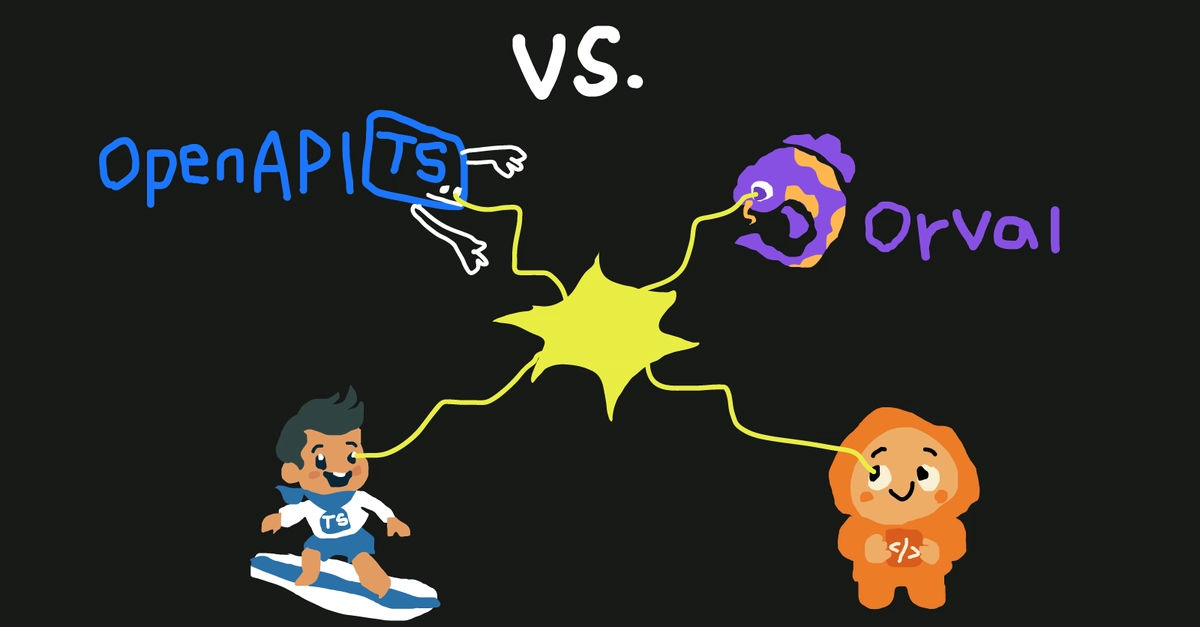
For large OpenAPI schemas (75k lines, 1200 operations), codegen tool choice impacts generation speed, file count, and maintainability. openapi-typescript excels for types-only, while @hey-api/openapi-ts offers operationId-based SDK with result-style errors and interceptors. Orval generates ecosystem artifacts (TanStack Query, Zod, MSW), and Kubb produces one file per operation via plugin architecture—with hey-api being the most practical for real-world scale.
Evaluate codegen tools with a representative large schema: measure generation speed, output file count, and error handling pattern before committing to one.
As a platform engineer optimizing developer experience, selecting the right OpenAPI codegen affects linting, IDE indexing, and team maintenance overhead—especially at enterprise-scale schemas.
Hoi hoi! I'm @nyaomaru , a frontend engineer who thought OpenAPI codegen would make API clients easier, but somehow ended up lost in a forest of generated files. 🌳🌳🌳 Writing API clients by hand is painful. Usually, we want things like: generated TypeScript types generated request functions maybe TanStack Query hooks maybe MSW mocks maybe even Zod schemas and, if possible, everything growing automatically from OpenAPI That is where OpenAPI codegen tools are useful. But after comparing several tools with a fairly large real-world schema, I realized something important: