This could be Windows’ M1 moment — but expect it to cost a ton
7.4 relevance
Score Breakdown
technical depth 7
novelty 9
actionability 5
community 8
strategic 9
personal 8
Scored daily by a customisable AI persona to surface the most relevant engineering leadership news.
Nvidia entering consumer laptop chips with Arm could reshape developer hardware landscape.
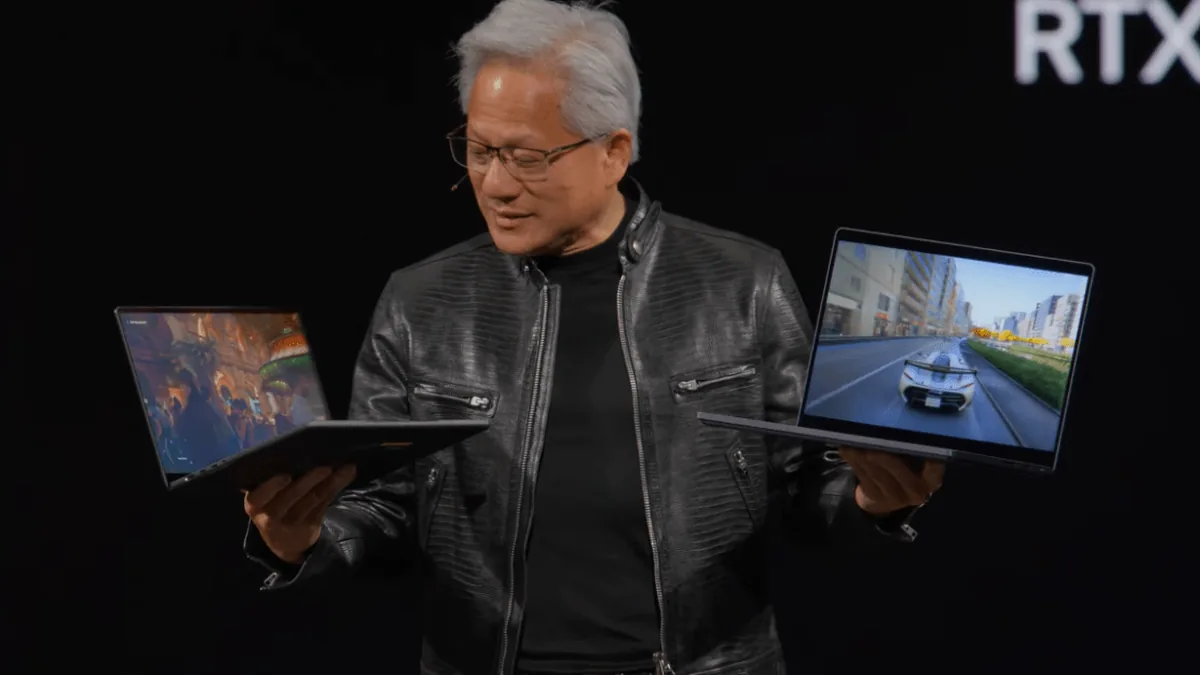
Summary
Nvidia's RTX Spark laptop chip packs 20 CPU cores, 6144 CUDA cores, and 128GB unified LPDDR5X memory, promising RTX 5070-level graphics in a unified Arm architecture. Derived from the DGX Spark's GB10 silicon, it targets AI agent workloads and creative apps (Adobe optimized), with Microsoft's Surface Laptop Ultra as a flagship partner. However, the 128GB RAM and premium design push prices well above $3,000, mirroring AMD's Strix Halo models and risking adoption despite the Apple M1-like potential.