TypeScript Intersection Types Done Right: When They Compose Cleanly and When They Silently Lie
Scored daily by a customisable AI persona to surface the most relevant engineering leadership news.
Deep dive into TypeScript intersection types offers high technical depth and actionability for code quality.
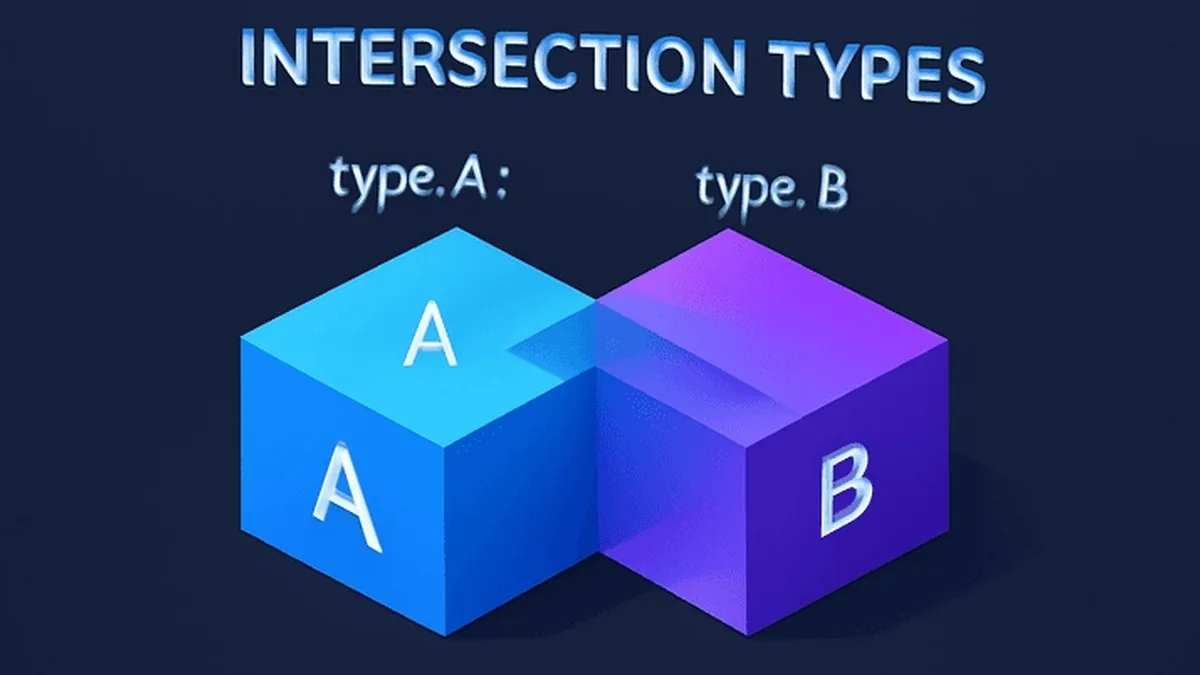
TypeScript intersection types (A & B) follow set-theoretic rules, not object-spread semantics—they require values to satisfy both types simultaneously, not merge properties. When conflicting property signatures exist (same name, incompatible types), the intersection collapses to `never`, silently accepting any value and breaking type safety without compiler warnings at declaration. Clean composition only occurs with non-overlapping or compatible property signatures, making intersections ideal for mixing capabilities but dangerous when misapplied as a merge tool.