The Seven Deadly Sins of MCP: Operational Sins
Scored daily by a customisable AI persona to surface the most relevant engineering leadership news.
Directly on AI agent orchestration best practices
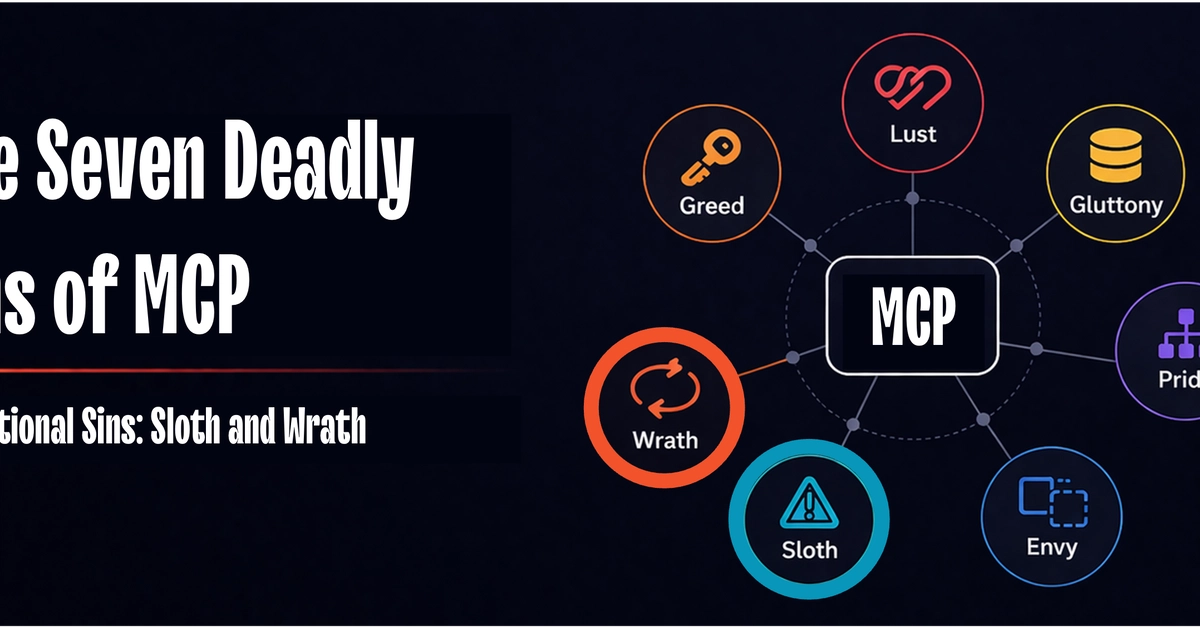
MCP's operational sins, Sloth and Wrath, cause systems to fail obscurely or amplify failures under stress. Combat Sloth by implementing structured ToolError classes with codes like 'invalid_input' and 'not_found', enforcing stdio hygiene (log to stderr), and surfacing precise error contracts via functions like toMcpErrorResult. This ensures truthful failure reporting and sane recovery in live model-facing interfaces.
Define explicit error contracts with machine-readable codes and retry hints at every MCP tool boundary.
You orchestrate AI agents using protocols like MCP; poor error handling and transport hygiene directly undermine system reliability, debugging efficiency, and the robustness of multi-agent workflows you design.